










When a tooth is damaged, cracked, weakened, or affected by decay, the right restoration depends on how much healthy tooth structure remains. In some cases, a dental filling is enough. In others, a full dental crown is the better choice. But there is also a middle option that many patients have not heard of: a porcelain onlay.
A porcelain onlay can restore strength and function while preserving more of your natural tooth than a full crown. It is often recommended when a tooth needs more support than a filling can provide, but does not need to be completely covered by a crown.
At Wychwood Dental on St. Clair Avenue West, the goal is to choose the most conservative treatment that will properly protect your tooth. Here is how porcelain onlays compare with dental crowns and when an onlay may be the better option.
What Is a Porcelain Onlay?
A porcelain onlay is a custom restoration that covers part of a damaged tooth. It is sometimes called a partial crown because it can repair one or more cusps, which are the raised chewing points of a back tooth, without covering the entire tooth.
Unlike a regular filling, an onlay is made outside the mouth from strong porcelain and then bonded to the tooth. This allows the restoration to provide added strength, durability, and a natural appearance.
Patients may be candidates for porcelain inlays and onlays when a tooth has moderate damage, a large old filling, a weakened chewing surface, or a cracked area that does not require a full crown.
What Is a Dental Crown?
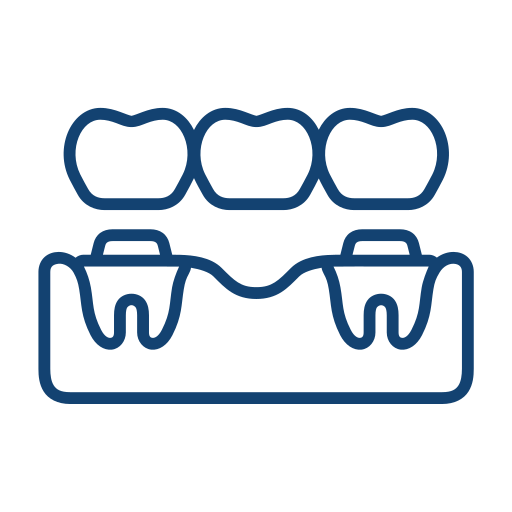
A dental crown covers the entire visible portion of a tooth above the gumline. Crowns are used when a tooth is badly damaged, heavily filled, cracked, worn down, or weakened after root canal therapy.
A crown acts like a protective cap. It restores the tooth’s shape, strength, and chewing function. Wychwood Dental offers same day dental crowns, which can often be designed, made, and placed in one appointment when the tooth is a good candidate.
Crowns are highly useful, but they require more tooth preparation than an onlay. That is why dentists may recommend an onlay when the tooth still has enough healthy structure to support a more conservative restoration.
When Is an Onlay Better Than a Crown?
A porcelain onlay may be better than a crown when the tooth is damaged but not severely weakened. The main advantage is preservation. An onlay allows your dentist to repair the damaged part of the tooth while keeping more healthy enamel intact.
This can be helpful when:
A filling would be too large to last well, but a crown would remove more tooth structure than necessary.
One cusp of the tooth is cracked or weakened, but the rest of the tooth is stable.
An old filling has failed, but the surrounding tooth is still strong.
The patient wants a durable, natural-looking restoration with a conservative approach.
The bite needs support, but the entire tooth does not need full coverage.
Preserving natural tooth structure matters because enamel does not grow back. When a tooth can be restored safely with less reduction, that is often a better long-term choice.
When Is a Crown the Better Choice?
A crown may be better when the tooth is too weak for an onlay to support properly. If there are cracks running through multiple areas of the tooth, if there is very little healthy structure left, or if the tooth has had root canal treatment and needs full coverage, a crown may provide stronger protection.
Crowns are also often recommended for teeth that have large fractures, severe wear from grinding, major decay, or old restorations that have left the tooth vulnerable.
If the tooth is infected or painful due to damage reaching the nerve, root canal therapy may be needed before a crown is placed. Your dentist will check the tooth carefully and explain whether the nerve is healthy enough for a simple restoration or whether additional treatment is required.
Why Not Just Place a Filling?
Fillings work very well for small to moderate cavities. Wychwood Dental offers bonded dental fillings that blend with the natural colour of your teeth and bond directly to the tooth structure.
However, fillings have limits. When a filling becomes too large, it may not provide enough strength for the tooth. A large filling can also leave thin walls of enamel that are more likely to crack under chewing pressure.
In these cases, a porcelain onlay may be a better option because it strengthens the damaged area instead of simply filling the space. It can protect the chewing surface while still preserving more tooth than a crown.
How Does a Dentist Decide?
Your dentist will look at several factors before recommending an onlay, crown, or filling. These include the size of the cavity or fracture, the amount of healthy tooth remaining, the location of the tooth, your bite, whether you grind or clench, and whether the tooth has had previous treatment.
Digital X-rays may be used to check decay, cracks, bone levels, and the health of the tooth root. A bite assessment can also help determine whether the tooth is under heavy pressure.
The decision is not only about fixing the tooth today. It is about choosing the restoration that gives the tooth the best chance of lasting comfortably for years.
What Are the Benefits of Porcelain Onlays?
Porcelain onlays offer several benefits for the right patient. They are strong, natural-looking, and custom-made to fit the tooth. Because they are bonded in place, they can help support the remaining tooth structure.
Porcelain also resists staining better than many direct filling materials. This makes onlays a good option for patients who want a restoration that blends with their smile and maintains a clean appearance over time.
Another important benefit is conservation. Since an onlay only covers the damaged part of the tooth, less healthy enamel may need to be removed compared with a crown.
What Is the Treatment Process Like?
The process usually begins with a dental exam. If an onlay is recommended, the damaged or decayed area is removed, and the tooth is shaped for the restoration. A scan or impression is taken so the onlay can be made to fit precisely.
Once the porcelain restoration is ready, it is bonded to the tooth and adjusted so your bite feels comfortable. The final onlay should feel smooth, stable, and natural when you chew.
After treatment, it is normal to have mild sensitivity for a short time, especially if the tooth had deeper decay or a large old filling. If your bite feels high or uncomfortable, the dentist can make an adjustment.
How Long Do Porcelain Onlays Last?
Porcelain onlays can last many years with proper care. Their lifespan depends on your oral hygiene, bite pressure, diet, and whether you grind your teeth.
To help your onlay last, brush twice daily, floss every day, avoid chewing ice or hard objects, and keep regular cleanings and exams. If you clench or grind at night, your dentist may recommend a custom nightguard to protect your restoration and natural teeth.
Restore and Protect Your Tooth at Wychwood Dental
If you have a large filling, cracked tooth, or damaged chewing surface, Wychwood Dental can help you understand whether a porcelain onlay, filling, or crown is the right solution. Our team will assess your tooth, bite, and long-term needs so you can make a confident decision about your care.
Call 416-653-6004 or email info@wychwooddental.com to book an appointment at Wychwood Dental on St. Clair Avenue West today.
Frequently Asked Questions
Is a porcelain onlay the same as a crown?
No. A porcelain onlay covers part of the tooth, while a crown covers the entire visible portion of the tooth. An onlay is often more conservative when the tooth does not need full coverage.
Does a porcelain onlay hurt?
The procedure is usually comfortable with local anesthetic. Some mild sensitivity after treatment can happen, but it typically improves as the tooth settles.
Is an onlay stronger than a filling?
Yes, in many cases. An onlay can provide more support than a large filling because it is custom-made from strong porcelain and bonded to the tooth.
When would I need a crown instead of an onlay?
A crown may be needed if the tooth is severely cracked, heavily damaged, badly worn, or weakened after root canal treatment.
Can an old filling be replaced with a porcelain onlay?
Yes, if the old filling is large, cracked, leaking, or no longer supporting the tooth properly. Your dentist will check whether an onlay or crown is the better choice.